Olivia Friedrich · 20 September 2026
Shifts in Consumer Preferences for Virtual Tours Within Online Residential Property Listings
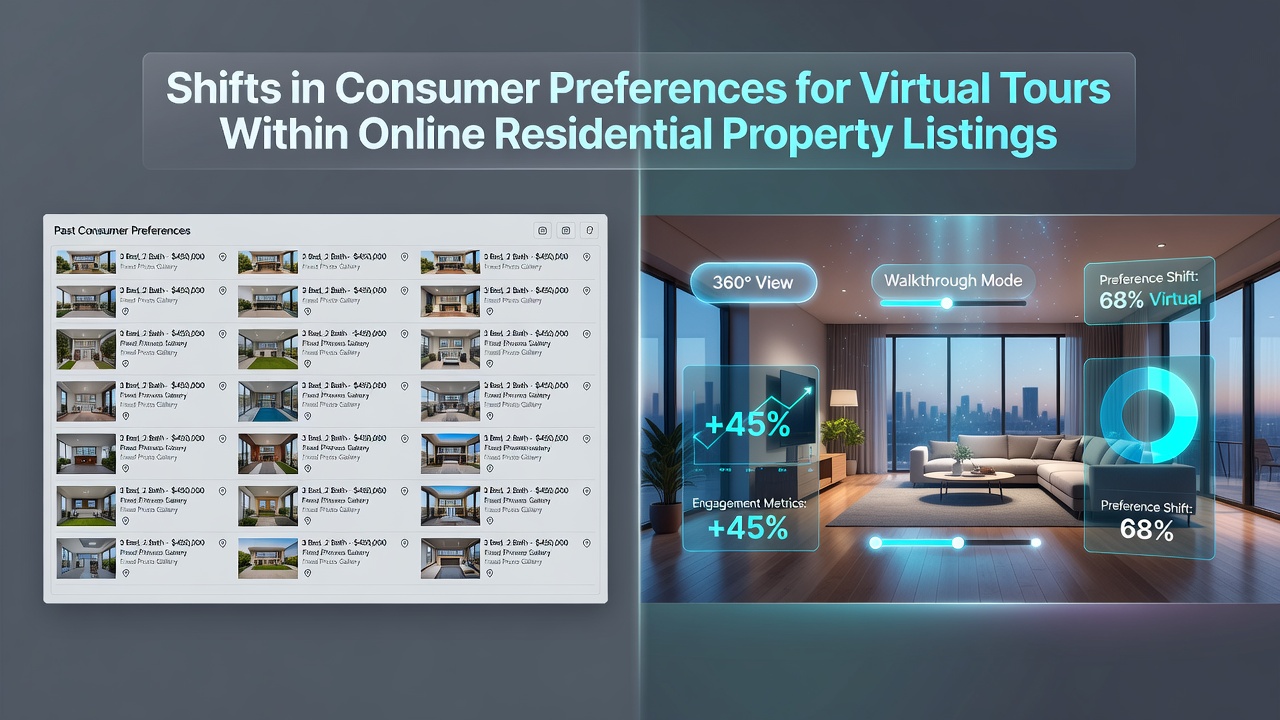
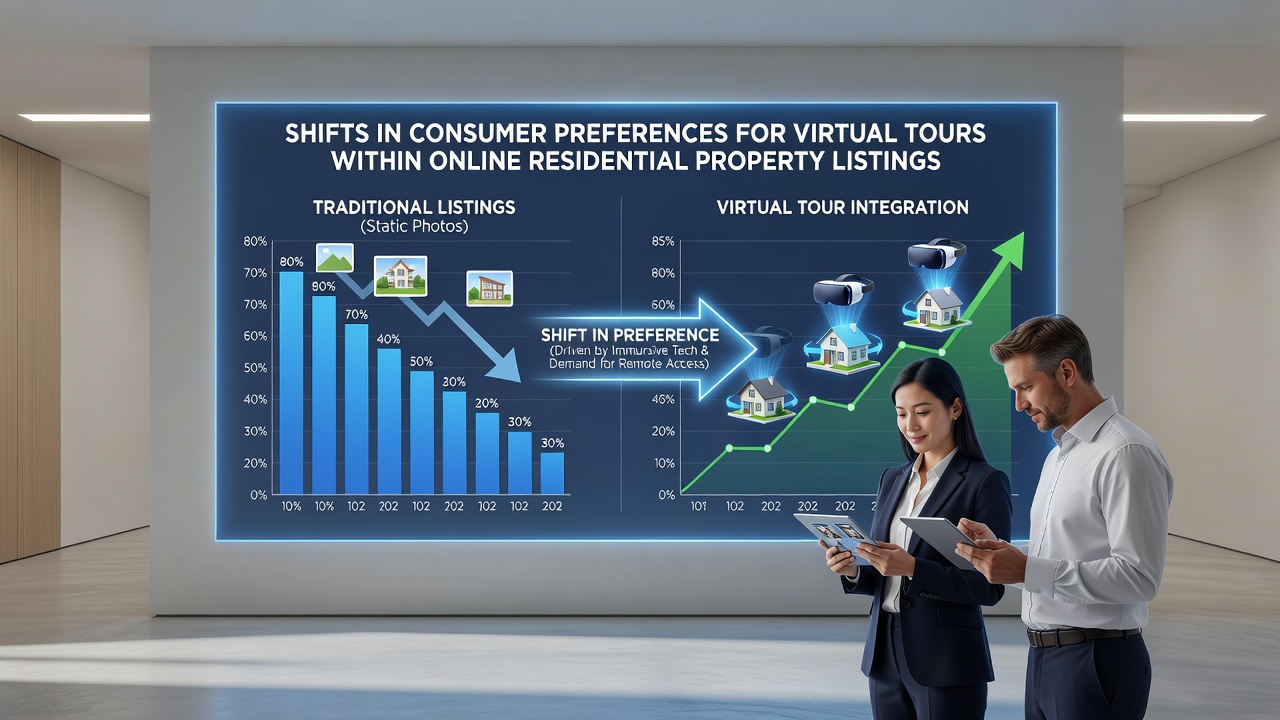
Online residential property listings have seen notable changes in how buyers interact with virtual tours over recent years, and data from industry reports shows these preferences evolving alongside technological improvements and broader market conditions. Researchers at various institutions have tracked how users now expect immersive experiences rather than static photos alone, with virtual tours becoming standard features on many platforms by September 2026.
Early Adoption and Initial Growth Patterns
Virtual tours first gained traction in the mid-2010s as 360-degree photography became more accessible to real estate agents and listing services, and early data from the National Association of Realtors indicated that properties featuring these tools received higher engagement rates compared to those without. Studies conducted around that period revealed that consumers began prioritizing interactive elements when browsing listings from different locations, which reduced the need for initial in-person visits in many cases.
Those who analyzed platform metrics noted steady increases in virtual tour views, especially among younger demographics who accessed listings through mobile devices, and this trend aligned with wider adoption of high-speed internet in urban and suburban areas alike.
Key Drivers Behind Preference Changes
Several factors have contributed to the shift toward virtual tours in online listings, including advancements in VR and AR technologies that allow for more realistic walkthroughs. According to research from housing analytics groups, remote work patterns established after 2020 encouraged buyers to consider properties across wider geographic areas, which in turn boosted demand for detailed digital previews.
Platform updates have also played a role, with many services integrating virtual tour options directly into search filters by 2025, and figures from multiple markets show that listings with these features often appear higher in user search results. Observers note that convenience remains central, as people can now evaluate floor plans, lighting conditions, and neighborhood contexts without leaving their current location.
Data Trends Through Mid-2026
Statistics compiled up to September 2026 highlight continued growth in virtual tour usage across North American and European markets, with one analysis from the Canadian Real Estate Association pointing to a measurable rise in engagement metrics for interactive listings. Researchers discovered that users spent more time on platforms offering customizable tour paths, and this pattern held across both single-family homes and multi-unit residential properties.
Additional findings from academic sources indicate that preferences vary by region, with urban buyers showing stronger interest in augmented reality overlays that highlight potential renovations, while rural searches leaned toward basic 360-degree formats for practicality. These distinctions appear in aggregated data sets that compare click-through rates and inquiry volumes.
Impact on Listing Platforms and Agent Practices
Real estate professionals have adjusted their workflows to incorporate virtual tours as standard offerings, and evidence from industry surveys suggests this adaptation correlates with faster listing turnover in competitive areas. Platforms have responded by developing tools that simplify tour creation, which has lowered barriers for smaller agencies and individual sellers alike.
One study revealed that integration with mapping services allows tours to include proximity data for schools and transit options, and this added layer has influenced how consumers prioritize certain listings over others. Those tracking these developments report that agents who provide high-quality virtual content often see increased lead generation through both direct inquiries and referral channels.
Regional Variations and Emerging Technologies
Preferences for virtual tours differ across regions due to local market dynamics and infrastructure availability, with Australian housing reports noting higher adoption in coastal cities where buyers frequently relocate from interstate. In contrast, data from European sources highlights emphasis on energy efficiency visualizations within tours, reflecting regulatory priorities in that area.
Emerging technologies such as AI-driven personalization continue to shape these experiences, and preliminary findings indicate users respond positively to tours that adapt based on stated preferences like room size or outdoor space. This evolution keeps pace with broader digital trends in consumer services without requiring entirely new hardware investments from most households.
Conclusion
Shifts in consumer preferences for virtual tours reflect ongoing integration of digital tools into residential property searches, supported by measurable data from multiple sources through September 2026. These changes have prompted platforms and agents to refine their approaches while maintaining focus on accurate and accessible presentation of listings. Continued monitoring of engagement patterns will likely inform further refinements in how these features develop across different markets.